ilusao
studio
We picked
our best work
visual design concept build
visual design concept art
visual design concept art
visual design concept art
survey
An architectural survey is carried out at the start of a project to measure and assess a building or site. It provides accurate details of the existing conditions, helping guide the design process.

existing
Existing drawings are produced following the architectural survey, using the measured data and site information collected. They accurately illustrate the current layout and structure of the building, providing a clear and reliable basis for the development of design proposals.
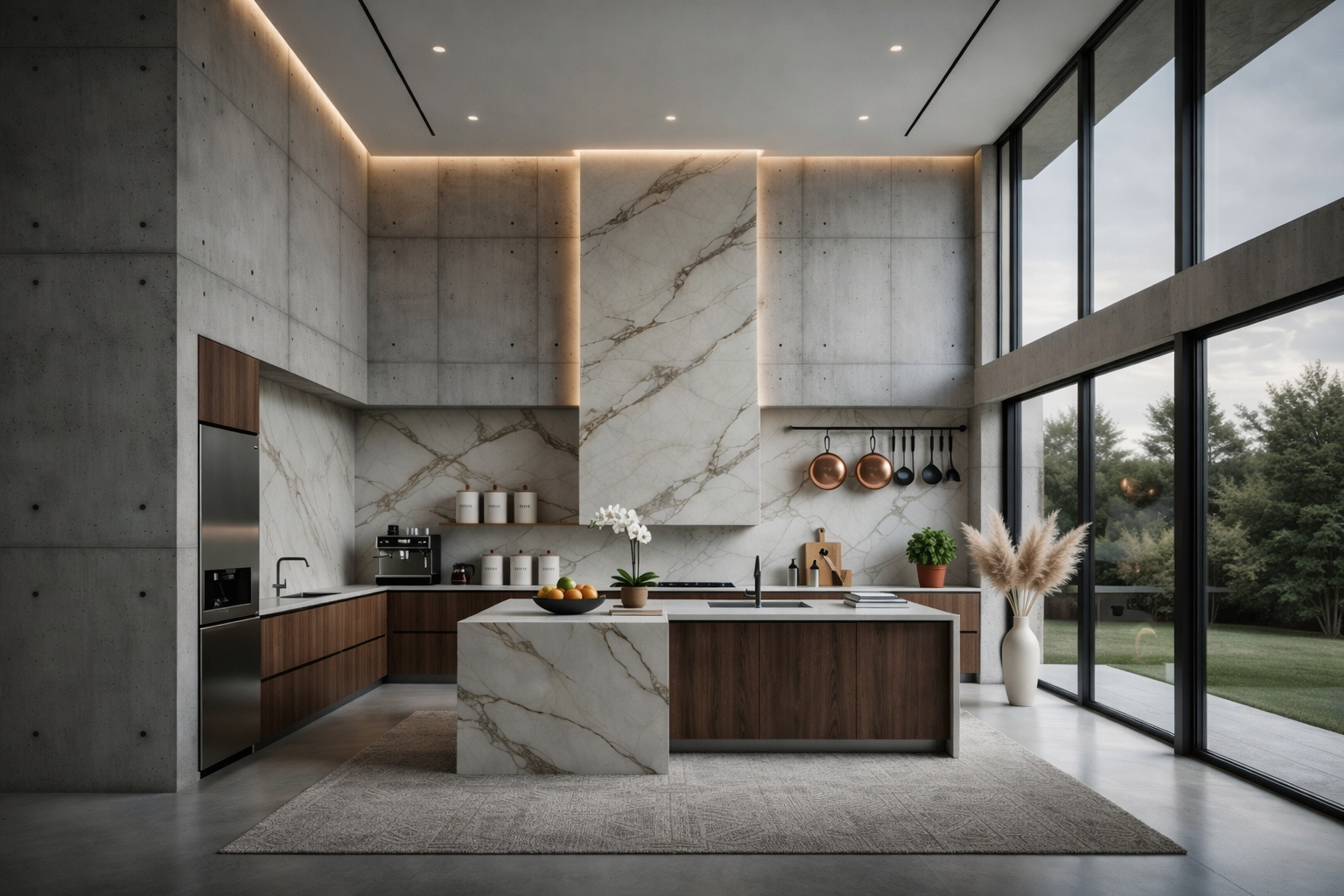
proposed
Proposed drawings illustrate the intended design changes based on the existing building. They present the new layout, modifications, and design solutions, and also incorporate interior design to ensure the space is both functional and visually cohesive, providing a clear vision of the completed project.
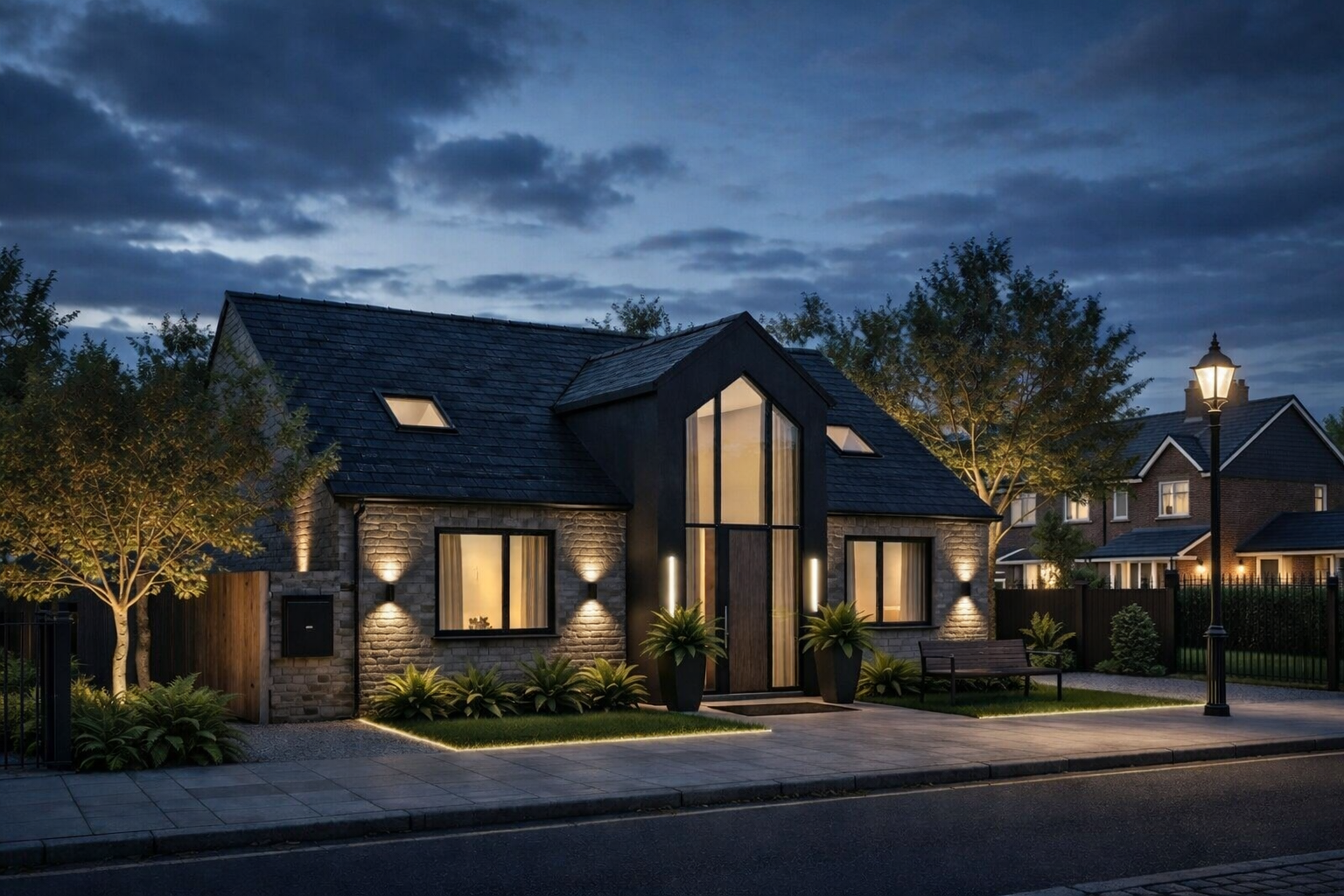
marketing
Marketing materials include cinematic videography produced to showcase the project in a visually engaging way. These videos highlight key design features, atmosphere, and functionality, helping clients present their development in a compelling and professional manner.
team
Designer Junior
A Junior Designer in an architectural practice supports the design team in developing concepts, drawings, and presentations. They assist with producing plans, 3D models, and visualisations, while gaining experience in technical detailing and project workflows. Working under guidance, they contribute to both creative design ideas and practical solutions, helping bring projects from initial concept through to development.
senior
Designer
A Senior Designer in an architectural practice leads the development of design concepts and oversees projects from early stages through to detailed design. They coordinate with clients, consultants, and team members to ensure designs are both creative and technically sound. With strong experience, they guide junior staff, make key design decisions, and ensure projects meet quality, regulatory, and client expectations.
3d model
designer
A 3D Model Designer in an architectural practice focuses on creating detailed digital models and visualisations of projects. They translate architectural drawings and concepts into realistic 3D representations, helping to communicate design intent clearly. Their work supports both the design development process and client presentations through high-quality visuals.
engineer
An Engineer in an architectural practice ensures that designs are structurally sound and technically feasible. They work closely with architects and designers to develop solutions that meet safety standards, regulations, and performance requirements, contributing to the successful delivery of the project.
video-grapher
A Videographer in an architectural practice creates cinematic content to showcase projects in a visually engaging way. They capture and edit footage that highlights design features, atmosphere, and spatial experience, helping to present developments professionally for marketing and client presentations.
Testii
Monial

Send Us Your Ideas
Let's Talk
Location
- birmingham, solihull
- United kingdom
Phone
- uk +44 121 769 1101
- Info@ilusaostudio.com